One pocket Wi-Fi for the whole trip: €4.90 a day.
Up to 10 devices on 4G data with no daily cap, wherever Maroc Telecom has coverage. Free delivery and collection in Marrakech, airport included.
Book my pocket Wi-Fi See pricingIn this article
- Getting Around Morocco With Peace of Mind
- The Rail Network: ONCF, the Artery of Modern Morocco
- Buses: The Kingdom's Feeder Network
- Urban Taxis: Petit Taxi and Grand Taxi
- Car Rental: Freedom and Adventure
- Domestic Flights: To Save Time
- Local and Alternative Transport
- Practical Tips by Type of Traveller
- Budget and Planning
- Conclusion: Travelling Smart in Morocco
Getting Around Morocco With Peace of Mind
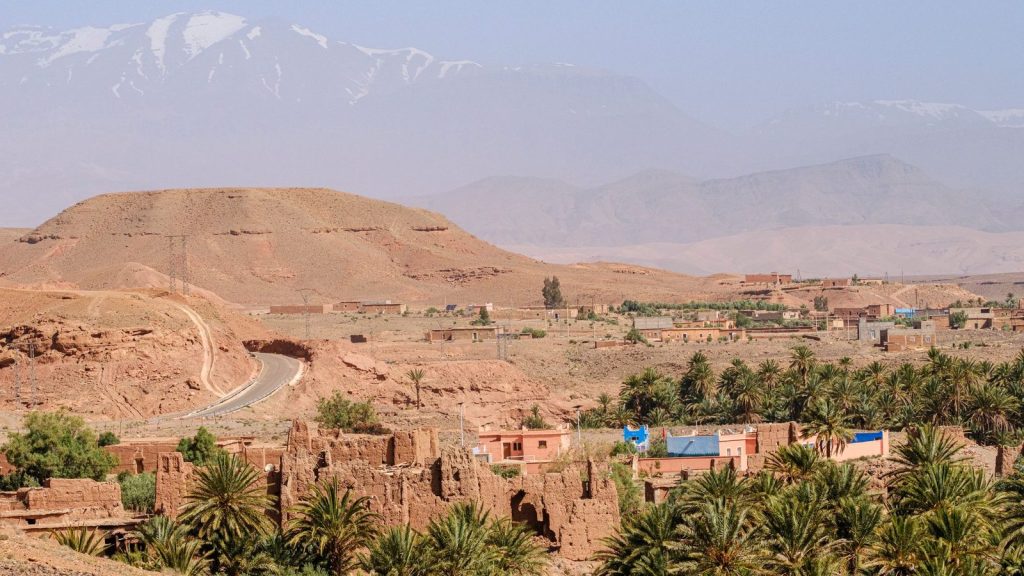
Morocco, a land of contrasts between snow-capped mountains, arid deserts and Mediterranean coasts, offers breathtaking landscapes. To explore this geographical diversity, mastering transport is essential. Whether you are planning a business trip to Casablanca, a cultural getaway to Fès or an adventure in the Sahara, understanding Moroccan transport options will transform your experience. This comprehensive guide decodes every mode of travel, from modern trains to traditional taxis, with practical advice drawn from local expertise.
The Rail Network: ONCF, the Artery of Modern Morocco
The National Railways Office (ONCF) is the backbone of long-distance transport in Morocco. Renowned for its punctuality and comfort, it connects the country’s main cities.
Types of Trains
Al Boraq Trains :
These high-speed trains, inaugurated in 2018, connect Tangier to Casablanca in just 2h10 instead of 4h45. Reaching speeds of 320 km/h, they represent Moroccan modernity.
Express Shuttle Trains (TNR) :
Ideal for intercity journeys such as Casablanca-Rabat or Casablanca-Meknès, offering a good balance of comfort and price.
Regional Trains :
Perfect for discovering less touristy areas, although less frequent.
Practical Tips
Book your tickets in advance on the official ONCF website, especially for Al Boraq trains during peak hours. Fares vary according to class (First or Second) and time of day. For long journeys south (such as Marrakech), the train remains comfortable, but the network does not yet serve the desert areas.
Buses: The Kingdom’s Feeder Network
To reach destinations not served by train, buses are essential. Two main categories coexist.
CTM Buses: The Leader in Comfort
The Compagnie de Transports au Maroc (CTM) offers a reliable service with air-conditioned buses, often equipped with Wi-Fi. Perfect for routes such as Marrakech-Essaouira or Fès-Chefchaouen. Check timetables and bookings on their official website.
Local Buses and Grand Taxis
Local buses (such as Supratours, affiliated with ONCF) and grand taxis (shared vehicles, typically Mercedes) serve secondary roads. Less comfortable but authentic and economical, they require a degree of flexibility.
Urban Taxis: Petit Taxi and Grand Taxi
In cities, two types of taxi coexist:
- Petits taxis: Coloured differently in each city (red in Casablanca, beige in Marrakech), they operate within the city only. Always use the meter or negotiate the price beforehand.
- Grands taxis: Older vehicles (often Mercedes) that run fixed intercity routes. They depart once full (6 passengers), but you can hire the entire vehicle.
Car Rental: Freedom and Adventure
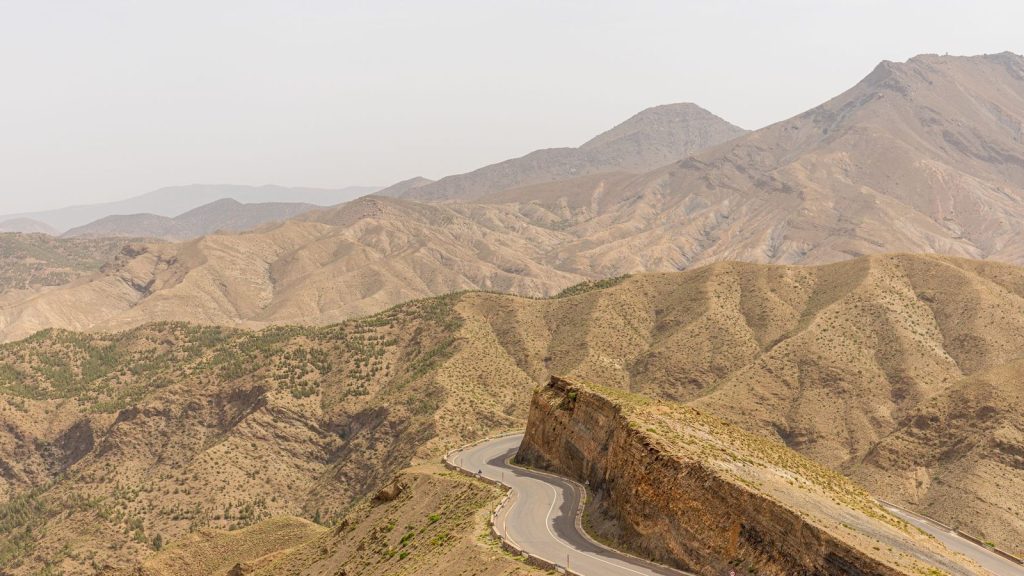
Renting a car offers incomparable freedom for exploring remote regions such as the Atlas valleys or desert routes.
Essential Tips
- Opt for international agencies (Hertz, Avis) or reputable local ones for insurance purposes.
- An international driving permit is recommended, although often not required for short stays.
- Consider a 4×4 for desert or mountain tracks.
- Driving in Morocco can be chaotic in major cities: patience and vigilance are required.
Roads and Tolls
The motorway network, managed by ADM, is excellent between Tangier and Agadir (toll of around 1 DH/km). National roads (such as the N9 towards the desert) are well maintained but winding.
Domestic Flights: To Save Time
Royal Air Maroc and its low-cost subsidiaries (Air Arabia Maroc) connect the main cities (Casablanca, Marrakech, Agadir, Oujda). Useful for covering long distances quickly, such as Casablanca-Dakhla. Compare prices on the Royal Air Maroc website.
Local and Alternative Transport
Horse-Drawn Carriages and Eco-Friendly Vehicles
In cities like Marrakech or Fès, horse-drawn carriages (caleches) offer a picturesque tour of the medinas. For the eco-conscious, cycling is developing in certain coastal resorts like Essaouira, and ride-hailing apps (such as Heetch) are emerging in major cities.
Staying Connected While Travelling
To easily navigate transport apps, online maps and bookings, a reliable internet connection is crucial. Rather than relying on patchy local networks, opt for a practical solution: Pocket Wi-Fi rental in Morocco. This portable device gives you high-speed internet anywhere, essential for checking ONCF timetables, booking a Morocco Pocket Wi-Fi online, or using Google Maps in the narrow alleys of the medinas.
Practical Tips by Type of Traveller
For Families
Choose the train (ONCF) or car rental for more flexibility. CTM buses are also suitable, with generous luggage space.
For Solo Adventurers
Grand taxis and local buses allow you to meet locals at low cost. Always keep a copy of your passport and negotiate prices in advance.
For Business Trips
Al Boraq trains and domestic flights optimise your time. In cities, petits taxis with meters avoid surprises.
Budget and Planning
Estimate your transport expenses:
- Al Boraq train (Tangier-Casablanca): 200-300 DH in second class.
- CTM bus (Marrakech-Essaouira): 80-100 DH.
- Economy car rental: 250-400 DH/day.
- Petit taxi in the city: 10-50 DH depending on distance.
Always carry some cash (dirhams) for local transport that does not accept cards.
Conclusion: Travelling Smart in Morocco
Getting around Morocco is an adventure in itself, blending modernity and tradition. By cleverly combining train, bus and car rental, you will discover all facets of the country in complete safety. The key lies in planning: book your long-distance transport in advance, clearly negotiate taxi prices, and equip yourself with a reliable internet connection to navigate in real time. Morocco awaits you – its transport is your first gateway to unforgettable experiences.
Ready to explore Morocco? Start by planning your itinerary on official transport websites, and don’t forget to book your portable internet connection to travel with peace of mind. Bon voyage!
One router for the whole group
€4.90 a day · data that does not run out · up to 10 devices at once · free delivery and collection in Marrakech, airport included
Check dates and book
Questions before you book? WhatsApp +212 6 23 11 25 18 or email contact@pocketwifimorocco.com.